


Osteomalacia: Symptoms |Causes | Risk Factors | Complications
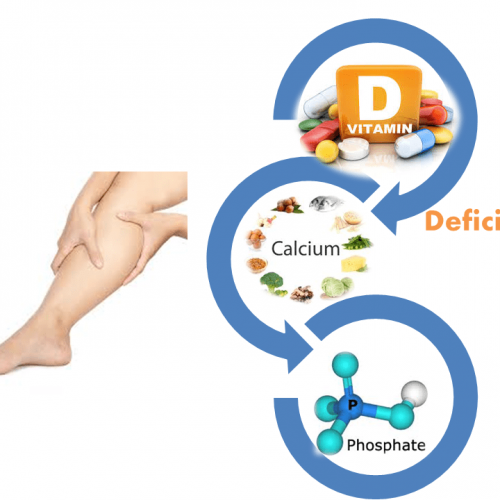
Osteomalacia is a condition where there softening of the bones, primarily caused due to deficiency of phosphate, calcium, and vitamin D. Vitamin D helps to facilitate the absorption of calcium in bones.
The body needs calcium to maintain the hardness of bones.
In children, this condition is known as rickets.
Bones consist of two parts, the outer part of the cortex and the inner-soft part of the matrix.
The cortex is made up of minerals, mainly calcium and phosphorus, whereas collagen fibers form the matrix.
When a bone is formed, the collagen fibers are coated with minerals, mainly phosphorus, and calcium; this process is known as mineralization. The mineral coating determines the strength of the bone. Oestomalsia happens due to the improper mineralization of the bone.


Symptoms:
- Bone fracture due to the slightest injury.
- The weakness of muscles.
- Pain in bones, especially the hip bone.
- Numbness and tingling in arms and legs.
- Numbness around the mouth.
- Cramps in hands and feet.
- Pain worse by night
- Pain not relieved by rest.
Causes:
Oestomalsia is caused to improper mineralization of the bone. Our body needs an adequate amount of calcium, phosphorus, and vitamin D for stronger bones. The following are the causes for osteomalacia:
- Vitamin D deficiency
- Certain surgeries where a part of the stomach has been removed results in poor absorption of the vitamin D and calcium, thus lack absorption of the vitamin D and calcium can further lead to osteomalacia.
- Celiac disease is a disease of the small intestine where people who are intolerant of gluten, if consume gluten, the inner lining of the small intestine is damaged, resulting in no absorption of nutrients; hence there can be lack of calcium and vitamin D.
- Kidney or liver disease, as kidney and liver play an essential role in activating the absorption of vitamin D. If the kidney or liver is diseased, then the activation of the vitamin D can be affected, causing in lesser absorption of calcium in bones.
- Certain medicines like one that is used to cure seizures can cause severe vitamin D deficiency, finally causing Osteomalacia.
Risk factors:
- Old age, people who are housebound have a higher risk of developing osteomalacia as they do not get enough vitamin D from the sun.
- People who live in colder countries.
- People who cover their whole body or use a very high band of sunscreen every time they go out in the sun.
- People with dark skin, as dark skin produces less vitamin D as compared to light skin.
- People who are lactose intolerant as they do not get enough vitamin D and calcium through their diet.
Complications:
- Secondary hyperparathyroidism
- Kidney stones
- Hypercalcemia
- Metastatic calcification in cases of renal failure
- Increased chances of fracture.
Lifestyle tips for osteomalacia:
- Eat a healthy and balanced diet.
- Wear braces to reduce or minimize bone irregularities.
- Enough exposure to sunlight