


What is bariatric surgery?
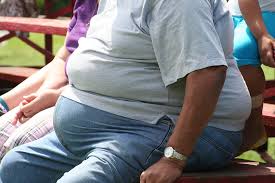
Bariatric surgery is a group of surgeries performed for weight loss. It is a combination of gastric bypass surgery and other weight-loss surgeries that make changes in the digestive system. This surgery makes weight loss possible either by limiting food intake or by reducing the absorption of nutrients. Sometimes, the surgery serves its function by both limiting nutrient absorption and food intake.
Weight reduction surgery is needed in conditions where excess body weight can cause serious health issues. If diet modifications and exercise are ineffective in reducing the individual’s weight, physicians recommend bariatric surgery. Although these serve as a general thumb rule, as per the guidelines American Society for Metabolic and Bariatric Surgery, any patient with a Body mass index (BMI) of more than 30 with co-morbidities or other ailments is eligible to be a candidate for bariatric surgery.
The American Society for Metabolic and Bariatric Surgery also estimated that around 2.5 lakhs of bariatric surgeries were performed in the United States alone during 2018. According to the Obesity Surgery Society of India (OSSI), India has seen a dramatic 100 fold jump in bariatric surgery. As per statistics, around 20,000 Indians performed weight loss surgery in 2019.
What are the types of bariatric surgery?
Bariatric surgeries generally alter the gut hormone levels that are responsible for hunger and satiety. It is a group of surgeries and is broadly classified into three groups :
- Blocking procedures
- Restricting procedures
- Mixed procedures
- Blocking procedures – These block the absorption of food and may also reduce the stomach size. This includes one procedure called BPD/DS :
- Biliopancreatic diversion with Duodenal Switch ( BPD/DS ) – This is a less common weight–loss surgery wherein a large portion of the stomach ( around 80 % ) and a large part of the small intestine is removed. The lower end of the stomach remains intact with the duodenum part of the small intestine, but the intestine’s remaining portion gets removed following this. Due to this, the duodenum is attached directly to the last segment of the small intestine by passing it to a large extent. It is only done in people with a BMI of more than 50 but has more long term complications like malnutrition, dumping syndrome, and vitamin deficiencies.
- Restrictive procedures – These surgeries restrict or shrink the stomach’s size and produce a sense of fullness and satiety even when less food is consumed. These are often recommended for treating obesity.
- Vertical banded gastroplasty is also known as “stomach stapling” and involves the vertical stapling at the upper portion of the stomach near the esophagus to create a small pouch by dividing the stomach into two parts. A band of special material is used to restrict food movement from the pouch to the rest of the stomach. Due to this, the patient experiences a feeling of fullness even after eating small amounts of food. Complications with this surgery include gastric leaks, mesh erosion, staple-line disruption, and gastric fistulas.
- Adjustable gastric band – This is a laparoscopic surgery that constricts the stomach using a silicone band around the stomach’s upper portion. A tube attached to this band is accessible through a port under the skin of the abdomen. Saline is injected into this port by the surgeon to inflate the band and reduce the stomach’s size. This can cause complications like hernia, gastritis, wound infection, and gastrointestinal scarring with a bowel blockage.
- Sleeve gastrectomy is also a laparoscopic surgical procedure that reduces the stomach’s size to about 15 % of its original size. It is done for people who have a BMI of at least 40 and is irreversible. The stomach resembles a sleeve or a small banana in size following this surgery and produces a feeling of fullness after consuming small amounts of food.
- Mixed procedures – These block the absorption of nutrients and restrict the stomach’s size at the same time. They are often used, unlike the previous group of surgeries, and are classified as follows :
- Gastric bypass surgery – Roux-en-Y gastric bypass is the most common type of bariatric surgery that resets hunger and satiety by altering the stomach and small intestine. The stomach is divided into a small pouch, and the small intestine is attached to both the portion of the stomach. This is done by dividing the small intestine into a “Y” shaped segment and attaching one segment to the stomach pouch. It increases the production of satiety hormone and has a quicker recovery time.
- Sleeve gastrectomy with duodenal switch combines both sleeve gastrectomy and duodenal switch to alter the gut hormone. It reduces the levels of the hunger hormone ghrelin and restricts the size of the stomach.
How is bariatric surgery done?
The surgery is done in the hospital under anesthesia, and the procedure takes a couple of hours to complete. The specific weight – loss surgery to be performed is decided after considering the :
- Health status of the individual as well as the
- Hospital and doctor’s practice
Most of the surgeries are done laparoscopically. A laparoscope is a small, tubular instrument with a camera. It is inserted into the abdomen via small incisions and helps the surgeon view the abdomen’s inside. This type of surgery ensures faster recovery but usually takes a few hours to complete.
Why is bariatric surgery required?
Gastric bypass surgery is preferred over any other weight reduction surgery because of its benefits. These are as follows :
· The complications associated with gastric bypass surgery are potentially less life-threatening than any other weight reduction methods.
· It is done when changes in diet and lifestyle modifications show no effect on body weight.
· It reduces the risk of developing other chronic and life-threatening conditions seen with other weight loss methods. This includes :
- Gastroesophageal reflux disease.
- Heart diseases
- Hypertension
- Severe sleep apnea
- Type 2 diabetes
- Stroke
- Non-alcoholic fatty liver disease
Who is eligible for bariatric surgery?
Weight loss or bariatric surgery is recommended for the people who satisfy the following conditions :
· If the body mass index is 40 or greater than 40.
· Sometimes, if the body mass index is around 30 to 39.9 (obesity) and the patient has other co-morbidities like type 2 diabetes, sleep apnea, hypertension, or any other serious weight-related health issues.
The patient is screened extensively before going for bariatric surgery. This is to ensure that the patient meets the medical guidelines necessary to qualify for the surgery. The patient is also expected to make some permanent lifestyle changes post-surgery to lead a healthy life. He is expected to look after his nutrition, lifestyle, and medical conditions after surgery.
Are there any risks or complications following bariatric surgery?
Like any major surgery, there are complications associated with gastric bariatric surgery. This surgery is associated with many risks and complications, unlike the other treatment options for obesity. The complications associated with bariatric surgery are:
· Excessive bleeding
· Secondary hyperparathyroidism
· Osteopenia
· Infections
· Breathing problem and pulmonary embolism
· A leak in the gastrointestinal system
· Reaction to anesthesia
· Increased risk of fracture occasionally
The long-term risk of bariatric surgery includes the following:
· Bowel obstruction
· Development of gall stones
· Hernia
· Malnutrition and low blood sugar
· Nausea, vomiting, and diarrhea
· Stomach perforation and ulcers
· Acute kidney injury and impaired renal handling of acids and bases.
· Tendency to inflict self-harm and suicide in an individual with mental health issues
Post-operative care :
Care must be taken after surgery. The patient is expected to follow:
· Avoid solid food for a while as advised by the doctor.
· Start with a clear liquid diet like clear broth, diluted fruit juices, sugar- free drinks, and gelatin desserts. Continue this diet till the gastrointestinal tract has recovered from the surgery.
· This stage is then followed by the consumption of blended or pureed sugar – free diet (semi-solid) for at least 2 weeks
· Foods rich in carbohydrates are avoided during this initial weight-loss period
· Consumption of a multivitamin tablet daily is usually advised to compensate for the reduced absorption of essential nutrients.
· Diet following surgery is rich in proteins, low in fats, and alcohol.
· Follow the limitation of your diet, as suggested by the doctor.
· Frequent check-ups with the doctor.
Changes were observed soon after weight reduction surgery.
The body reacts to the sudden change in weight for the first three to six months after weight reduction surgery. The changes are:
· Body pain
· Fatigue
· Dry skin and hairs
· Feeling old
· Mood changes
· Hair loss
Lifestyle changes after bariatric surgery
The surgery reduces the size of the stomach. It is essential to maintain a healthy diet to ensure proper nutrition for the body. The following tips must be taken care of after surgery:
· Eat and drink slowly.
· Eat small meals
· Drink plenty of fluids
· Hew food thoroughly
· Increase high protein diet
· Avoid fatty food
· Avoid sugar-laden food
· Take vitamin and mineral supplements.
· Exercise regularly
· Manage a healthy weight
Which hospitals perform bariatric surgery in India?
1. Indraprastha Apollo Hospitals, New Delhi
2. Apollo Hospital, Greams Road, Chennai
3. Gleneagles Global Health City, Chennai
4. Medanta Hospital, Gurgaon, India
5. Max Super Specialty Hospital New Delhi
6. Artemis Hospital Gurgaon India
7. Columbia Asia Yeshwanthpur, Bangalore
8. Indraprastha Apollo Hospitals, New Delhi
9. BLK Super Specialty Hospital, New Delhi
10. Fortis Hospital, Mumbai, Maharashtra, India
11. Kokilaben Dhirubhai Ambani Hospital, Mumbai
12. Jaslok Hospital, Mumbai, India
FAQs
Can anyone opt for bariatric surgery?
Bariatric surgery is preferred when the body mass index is 40 and above. However, if the BMI is in the range of 35 to 40, then bariatric surgery is recommended only if the patient has other existing medical conditions. The physicians often alter the diet and suggest exercises to the patient to check for any improvements. If this fails to prove any benefit, then bariatric surgery is opted for.
What are the common risks of bariatric surgery?
The risk of major complications is around 3 % only, including bleeding, infections, blood clots in the legs or lungs, leakage from the stomach, heart attack, or death.
How long will the patient be hospitalized?
The surgery lasts for a few hours, and most of the patients spend one to two days in the hospital. Gastric bypass and sleeve surgery usually recover for 2 to 3 weeks before going to work. However, this recovery period may extend up to 6 weeks, depending on the patient’s health.
What are the immediate changes that must be done post-surgery?
The patient is advised to be on a liquid diet for a few weeks and consume solid food only after 1 month. Strenuous physical activity and heavy work must be avoided for 1 month.
How much weight can be lost following bariatric surgery?
Over 50 to 80 % of the excess body weight is lost within a span of 1 year following the surgery. This is due to the reduced intake of food and altered gut hormones.
Can women get pregnant following bariatric surgery?
Yes, women can get pregnant following this surgery. However, it is advised to wait for at least 18 months after surgery before getting pregnant.
What are the changes that can be expected, post-surgery?
Weight loss will be noticeable within the end of 1 month following surgery, and other medical problems will become easier to control. Health improves drastically, and the patient finds it easier to do exercise. The main change is the consumption of smaller portions of healthy food instead of large portions.
What is the cost of bariatric surgery?
Bariatric surgeries are expensive. The average cost of bariatric surgery is around 2 to 5 lakhs.


All you need to know about Gastroenterology
What is gastroenterology meaning? Originally, the term ‘gastroenterology’ comprises three words from Ancient Greek origins – ‘gaster,’ meaning ‘stomach,’ ‘enteron’ meaning ‘intestine,’ and ‘logos’ meaning ‘reason.’ It is a sub-branch of


List of Top 20 Organ Transplant Surgeons
List of Top 20 Organ Transplant Surgeons. Here is the list of Top 20 Organ Transplant Surgeons. 1.Dr. Mohamed Rela Qualification: MBBS MS FRCS


Top 20 Surgeons in India
Top 20 Surgeons in India/Surgeons in India Here is the list of top 20 Surgeons in India. 1.Dr. Ashok Seth Qualification: MBBS (J N Medical


Debulking Surgery for reducing the bulk
Debulking Surgery for reducing the bulk: Procedure Debulking surgery involves the removal of as much tissue as possible. The term debulking itself means to ‘reduce


Cryosurgery: freezing and destroying cancerous cells
Cryosurgery: freezing and destroying cancerous cells Cryosurgery is a type of surgery that involves destroying abnormal tissue with the help of a cooled liquid or

Staging surgery: Why is it needed?
Staging surgery: Why is it needed? Staging surgery, also called surgical staging is most commonly performed in endometrial cancer to remove the uterus, cervix, pelvic
My friend is considering bariatric surgery for serious health reasons. We did not know that there were many different kinds. She is thinking, now about doing the vertical banded gastroplasty which will create a feeling of fullness after the stapling. Talking to a bariatric surgeon might give her some better ideas.